Power, Rail, Marine, Air
Air Canada
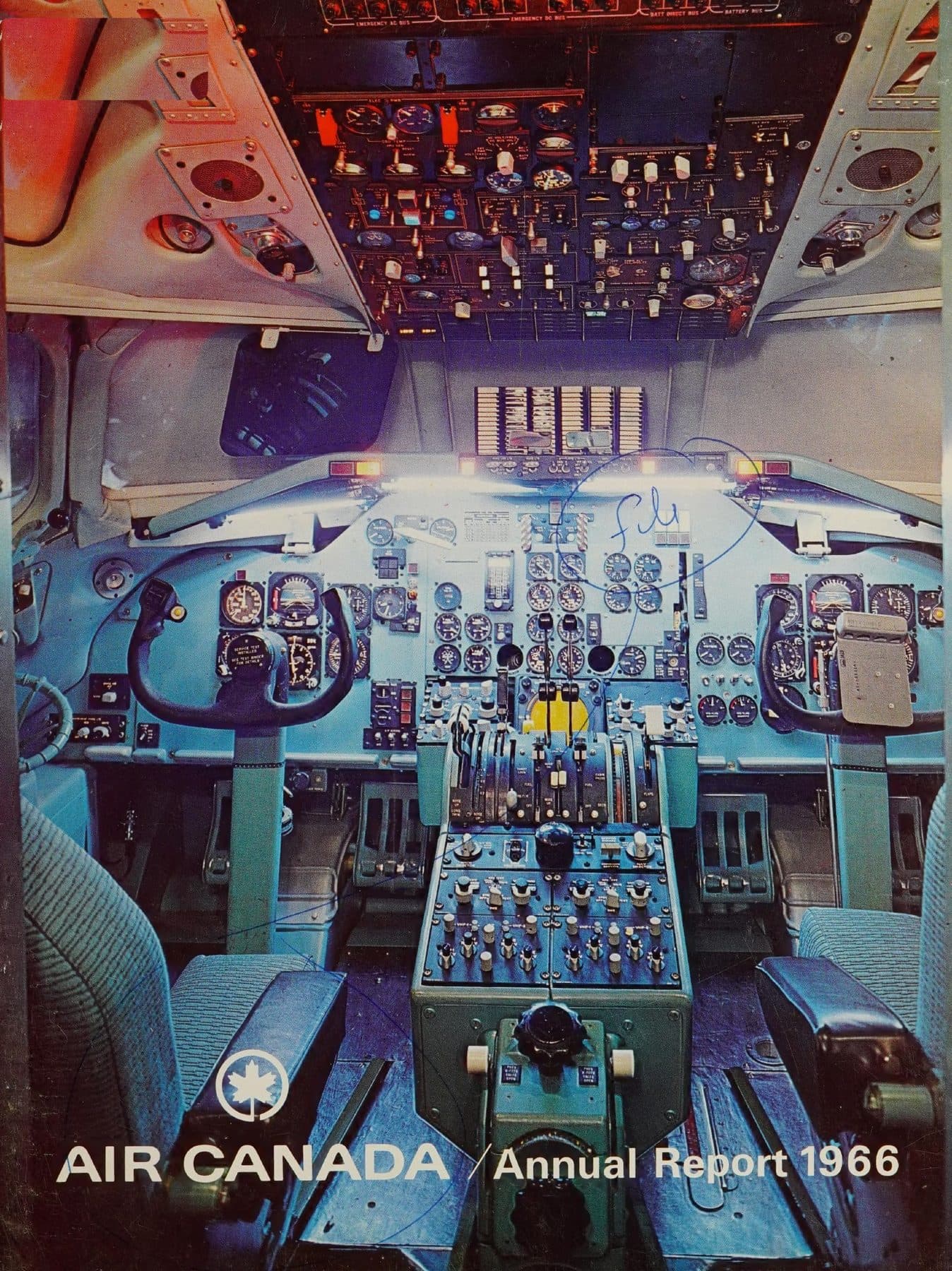
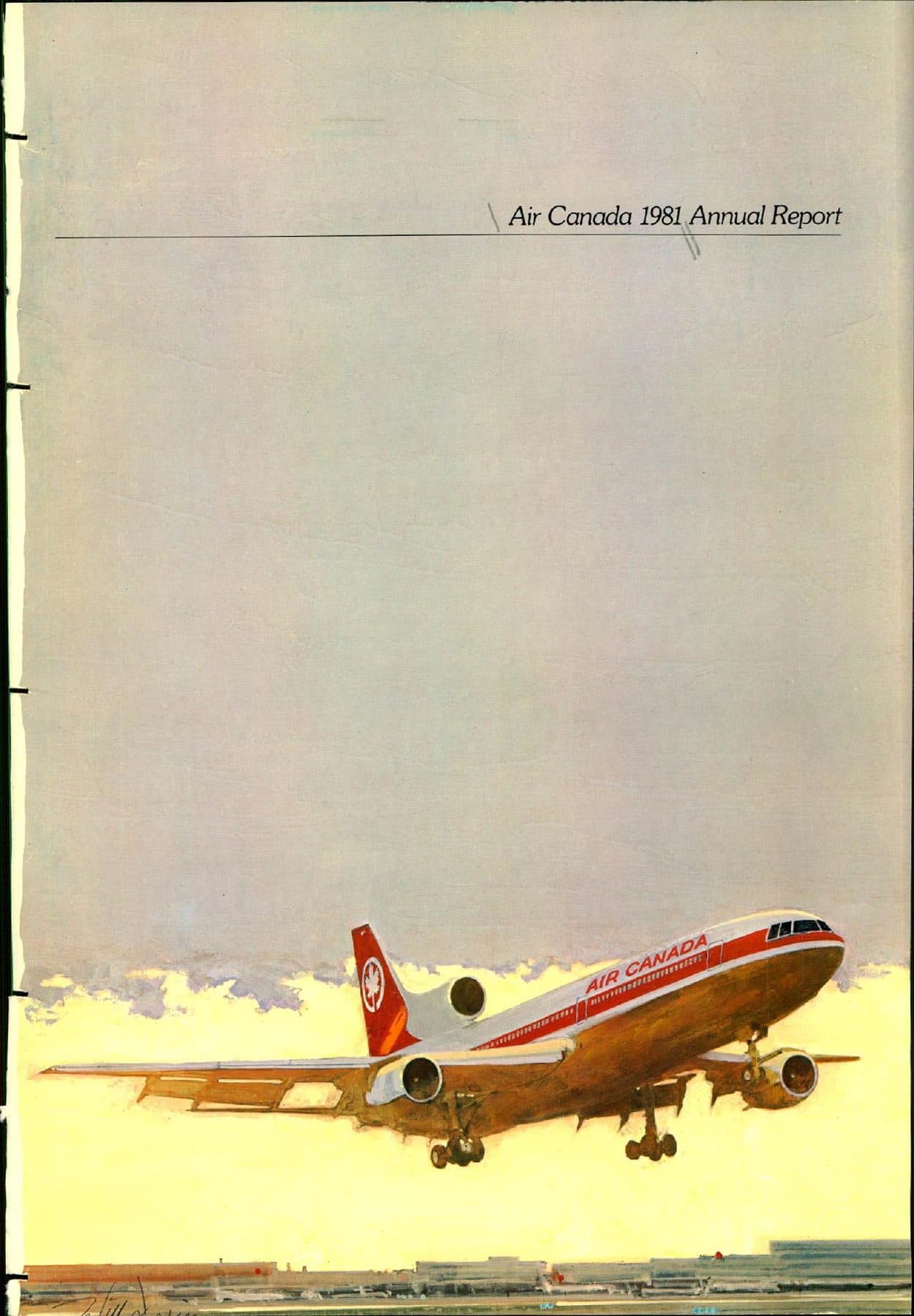
2 pictures · 1966–1981
- Founded
- 1937 as Trans-Canada Air Lines (Act of 10 April 1937); renamed Air Canada 1965
- Head office then
- Montreal (airline); reported to the Minister of Transport, Ottawa
Trans-Canada Air Lines was created in 1937 as a CN subsidiary to fly across Canada. The name became Air Canada in 1965. The reports present it as the national airline, flying scheduled passenger and cargo routes at home and abroad.
It was the state instrument for transcontinental and international air service when private lines would not span the country.
Why it mattered
TCA/Air Canada was the state instrument for transcontinental and international air service when private lines would not span the country. It remained the largest Canadian scheduled carrier after deregulation.
Now
The Crown sold the shares in 1988-89. Air Canada bought Canadian Airlines in 1999-2000, went through creditor protection in 2003-04, and still operates as the publicly traded national airline from Montreal.
Still open
- Share percentages at the 1988 IPO are given as 45% (Library of Parliament) or 43% in some secondary accounts; 45% / remainder July 1989 is used here.
Sources
The pictures
- Air Canada 1966 — annual reportarchive.org/details/AirC0077_1966
- Air Canada 1981 — annual reportarchive.org/details/McGillLibrary-635826-24160
References
- The Canadian Encyclopedia: Trans-Canada Airlinescreated 10 April 1937 as CNR subsidiary; renamed Air Canada 1965
- Library of Parliament: The Canadian Airline Industry (89-2E)fate: Public Participation Act 18 Aug 1988; 45% Oct 1988; remainder July 1989; Canadian Airlines 1999–2000
- Air Canada: Corporate Profilefate: TCA 1937; name Air Canada 1964/65; fully privatized 1989; still operating
- Globe and Mail: Air Canada is insolvent (2 April 2003)CCAA filing 1 April 2003
- Air Canada SEC Form 6-K (1 April 2003)CCAA and U.S. s. 304 petition
- Globe and Mail: Air Canada restructuring plan draws praise from analysts (2 July 2004)planned emergence 30 September 2004